The Experimenter ⚗️
In today’s fast-changing world, I believe hands-on learning is essential. From building custom equipment with Arduino and Raspberry Pi to designing laser-cut and 3D-printed tools like “skeleton batteries,” I’ve enjoyed turning challenges into creative solutions.
Starting a robotics programme has been an exciting step, combining coding, problem-solving, and play to prepare learners for the future. Transforming empty classrooms into shared, fully equipped labs has opened up practical learning opportunities for students and teachers alike.
This portfolio showcases the projects and initiatives I’m passionate about—bringing science, technology, and creativity to life in education
DIY for the practical subjects
If we don’t have it or can’t afford it, we make it. Knowledge of Arduino and Raspberry Pi has been invaluable for creating various items, including quiz system buzzers for the language department.
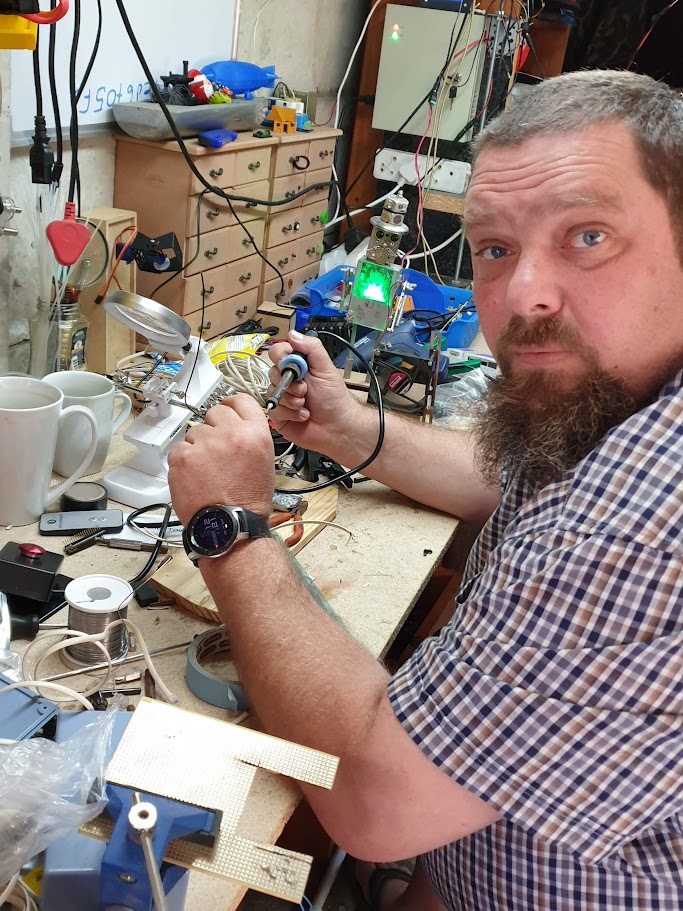
I enjoy designing and crafting with cutting and printing tools.
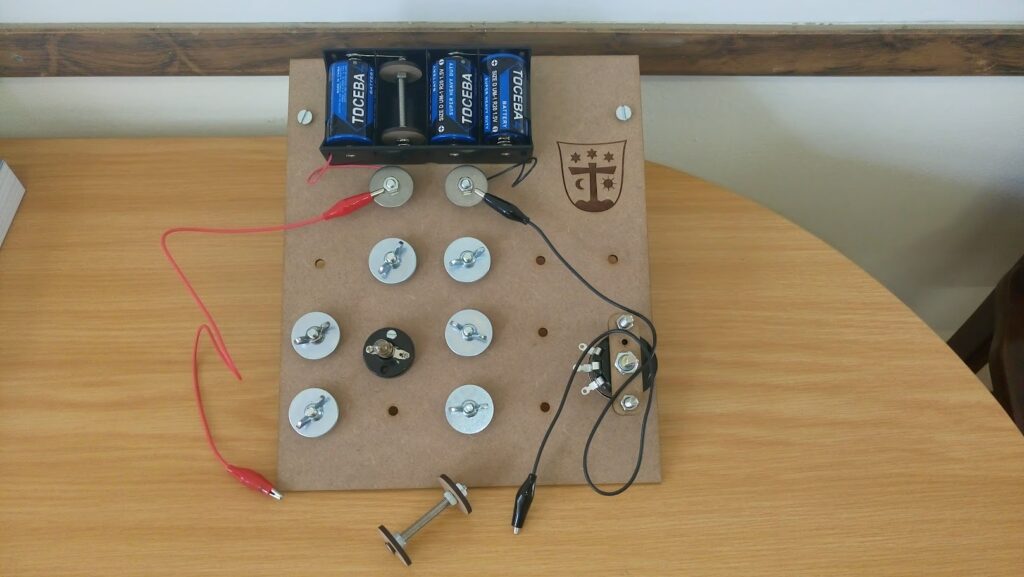
Over time, I’ve had to make our own pieces of equipment. I’ve developed a fondness for laser cutting and 3D printing, which has resulted in some great creations. One example is our version of a circuit board with “skeleton batteries.” These are designed to simply close the circuit in the cell area, allowing flexibility when using different numbers of cells.
Into robotics
With the growing need to align with advancements in technology and society, it was the right time to launch a functional robotics programme as an extracurricular activity, especially since it is only now being introduced into the curriculum in South Africa. As mentioned elsewhere, play and learning go hand in hand at any age. I was fortunate to receive five laptops to kickstart the coding aspect of this programme.
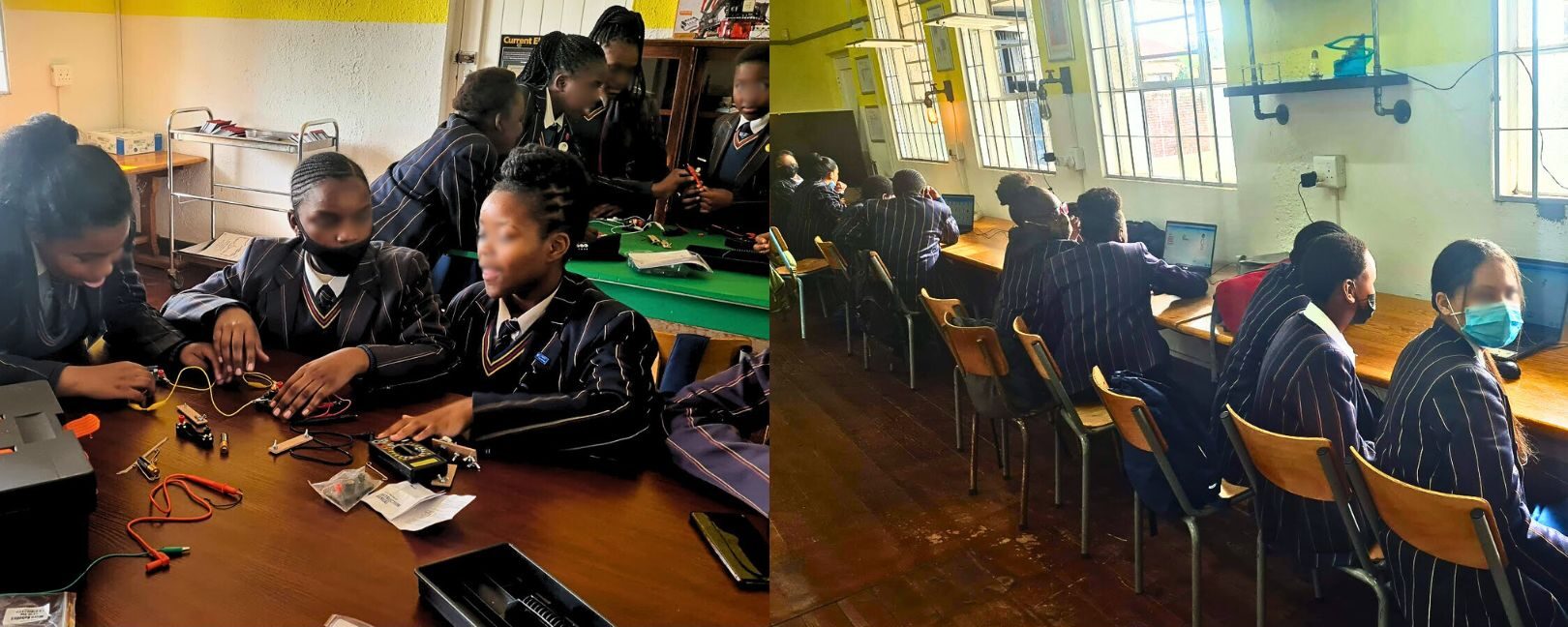
My most recent laboratory creation project: transforming an empty classroom into a fully plumbed and equipped lab.
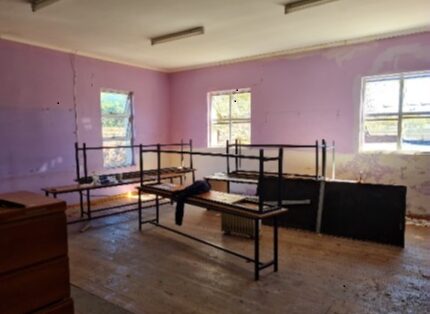
One of the laboratories I had created for the learners. The before and after pictures are here. My approach has always been to have a lab that is not the classroom of any specific teacher. Instead, much like the media centre, a venue which can be booked by any staff member teaching sciences or technology. It also opens up practical work to learners who may be in classrooms without facilities.
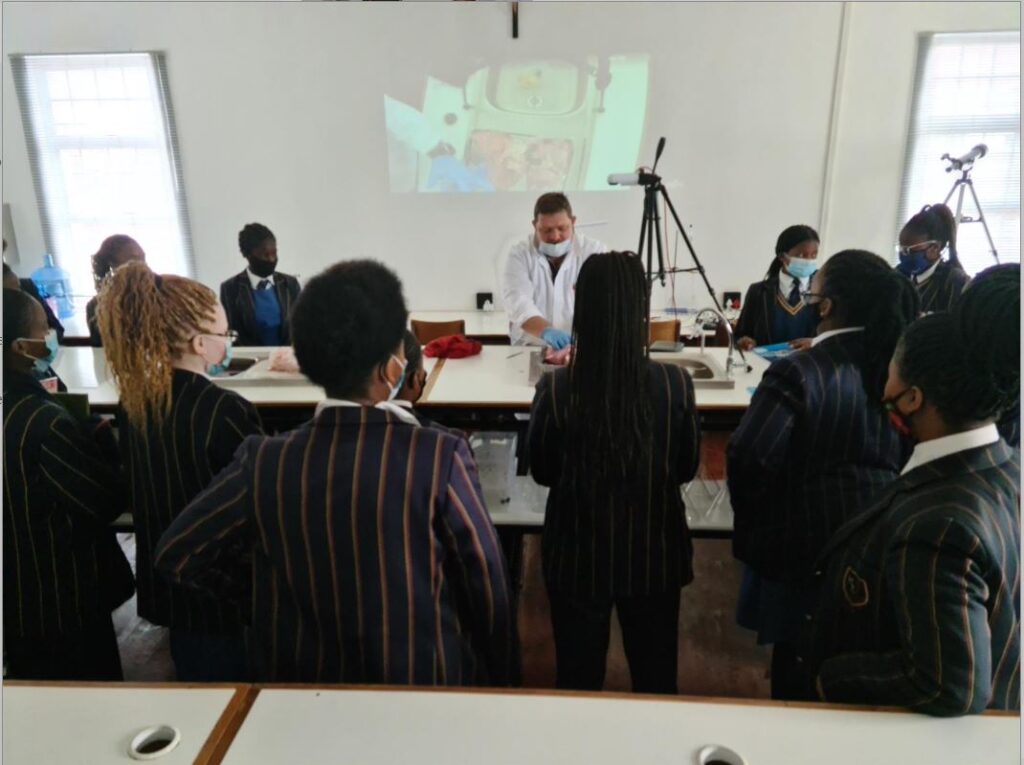
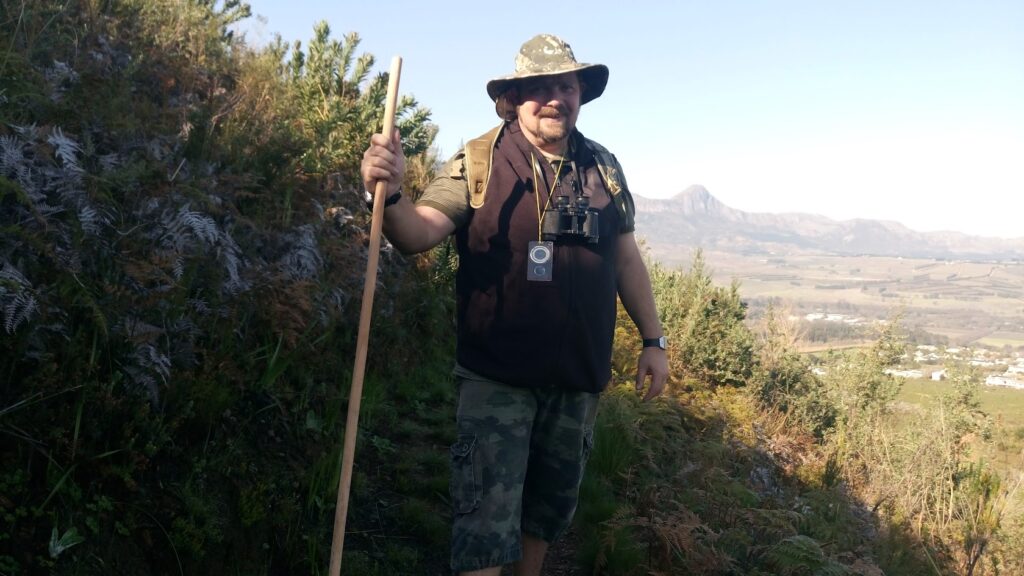
Nature and the environment are very important to me. Whenever possible, I organized outings to nearby trails, which were always popular. As a teacher of Physical and Life Sciences, I incorporated these outdoor experiences into my teaching whenever I could.
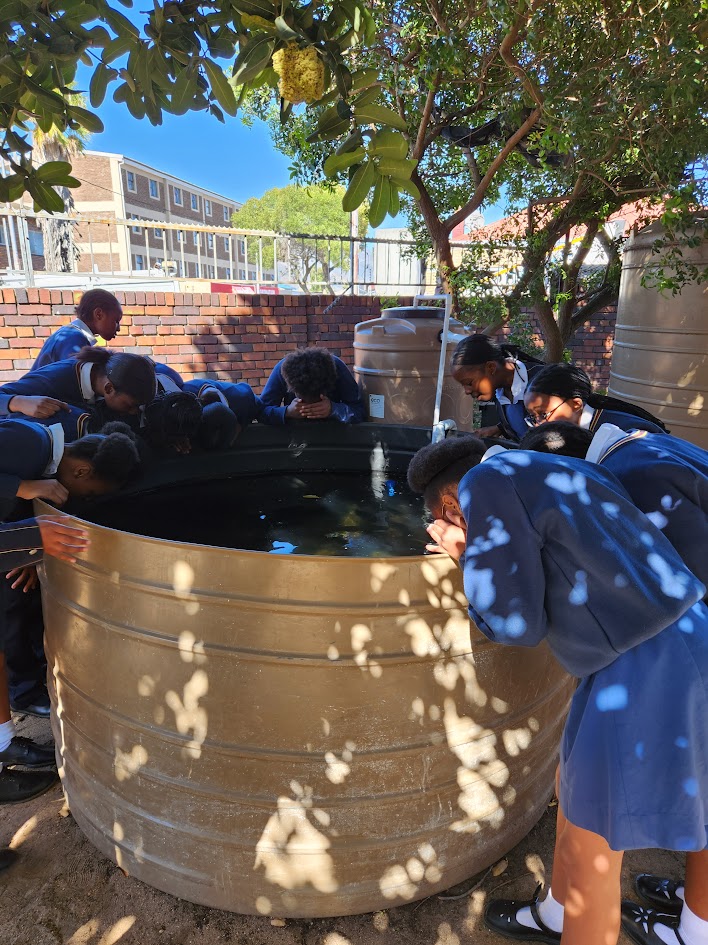
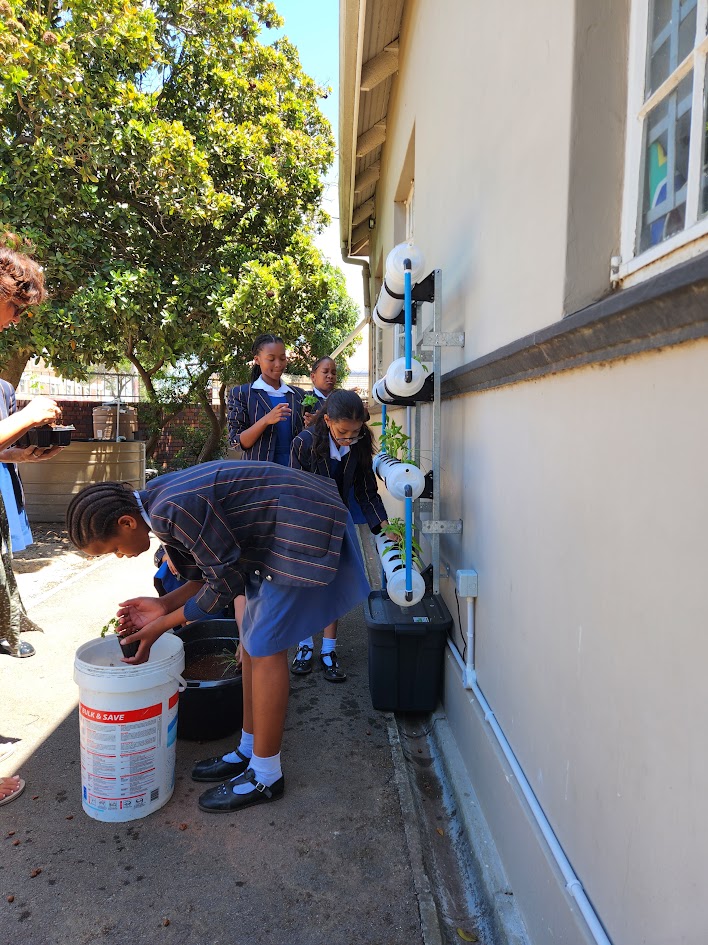
At my last school, the environmental club and I started an aquaponics garden. On the left, we built an upcycled Tilapia pond using an old rainwater tank, and on the right, we started a small hydroponic section. I also encouraged educators to include the garden in their classwork and practical activities, which created even more engagement. Not in the picture is our vegetable garden and indigenous plant garden, which attracted birds and pollinators, turning our inner-city space into a small sanctuary.